
• HOME
  • Container Gardens
  • Houseplants
  • Edible Gardening
  • Garden Design
  • Caring for Your Yard
  • Flowers
  • Pest & Problem Fixes
  • Landscaping
  • Garden Plans
  • Terms of Use
  • About Us
  • Privacy Policy
forumsdo.topforumsdo.top
  • HOME
  • Container Gardens
  • Houseplants
  • Edible Gardening
  • Garden Design
  • Caring for Your Yard
  • Flowers
  • Pest & Problem Fixes
  • Landscaping
  • Garden Plans
forumsdo.top forumsdo.top
forumsdo.top » Edible Gardening » 8 Simple Tips for Harvesting Rhubarb at Its Peak
Edible Gardening

8 Simple Tips for Harvesting Rhubarb at Its Peak

28.6K
1.1K
274
8 Simple Tips for Harvesting Rhubarb at Its Peak

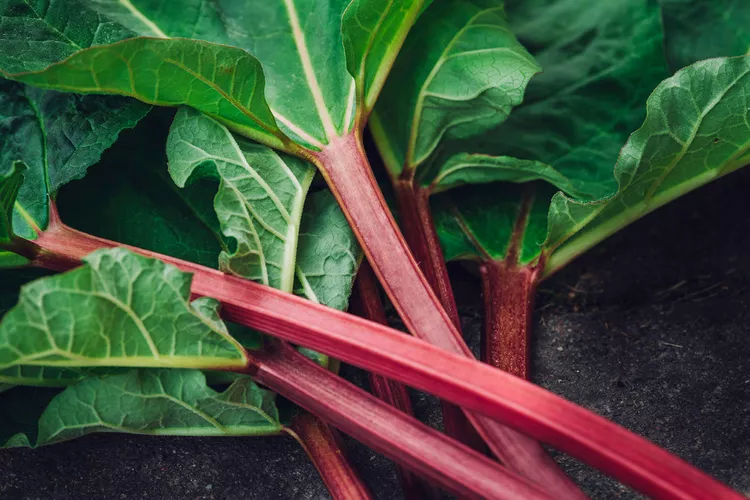
Fresh rhubarb is a springtime treat that’s delicious in jams, jellies, and strawberry rhubarb pie. You can absolutely grow this vegetable yourself, but if you want to get the biggest and tastiest rhubarb stalks, you need to master the art of harvesting rhubarb. From timing your harvest to preserving freshly picked rhubarb, these tips will help you harvest a large crop of stalks without compromising the health of your plants.

The stalks of rhubarb are safe to eat, even raw, but the leaves are toxic to humans and animals.

1. Be Patient

Rhubarb plants are perennials that grow relatively slowly, and harvesting them before they’re fully mature can weaken the plants and cause stunted growth. Rhubarb grown from nursery starts can be harvested in its second year, one year after you plant it in your garden. However, if you’re growing rhubarb from seed, wait until plants are at least three years old to start harvesting.

2. Know When to Harvest

One of the great things about rhubarb is that the stalks can be picked in spring—long before most other garden vegetables start producing. In the northern hemisphere, rhubarb season usually begins in April or May and stretches through the end of June. Rhubarb continues to grow through summer and into fall, but it’s best to stop harvesting plants by early July as the stalks can get woody in summer, and the plants require time to recover before winter hits.

3. Don’t Worry About Stalk Color

When most people think about edible rhubarb, they think about long, crisp rhubarb stalks that are bright red or pink. However, the stalk color doesn’t indicate whether rhubarb is ripe. Different varieties of rhubarb have different colored stalks, and it’s fine to harvest rhubarb with pale stems.

4. Look for These Signs of Ripeness

The best way to tell if rhubarb is ripe is to measure the rhubarb stalks. Ripe rhubarb stalks should be at least 10 inches long (not including the leaves), but it’s OK to harvest stalks that are longer. Rhubarb develops flavor as it grows, and longer stalks often have the best taste.

Healthy rhubarb stems should also be crisp, firm, and plump. Mushy or damaged stems can be clipped away and composted, but spindly or thin stems should be left on the plant. Undersized stems usually need more time to grow, but they can also indicate that the plant is weak and needs some time to recover before further harvesting.

5. Use the ‘Twist and Pull’ Method

One of the most common mistakes growers make when harvesting rhubarb is using a knife on the stalks. Cutting rhubarb stalks can make plants more vulnerable to pests and diseases like crown rot. Also, cut stalks don’t regrow, and they can redirect the plant’s energy away from producing new stems.

Instead of cutting the stalks, harvest your rhubarb by grasping a stem near the soil line and twisting it free with a gentle, pulling motion. The stem should come away easily from the plant at the root line with a quiet pop. If the stalk is difficult to remove, move your hand closer to the soil line and pull again. Using this “twist and pull” method is healthier for rhubarb plants and encourages them to produce more stems for future harvests.

6. Limit Your Harvest

Like most vegetables and herbs, rhubarb plants can become weak and stop growing if they’re over-harvested. To avoid this problem, always leave at least one-third to half of the plant’s stems intact and wait for the plant to produce more stalks before harvesting again. Also, remember that young plants should not be harvested as aggressively as older, established rhubarb plants.

7. Remove the Leaves

Immediately after harvesting, use a sharp knife to cut the rhubarb leaves off the stalks. Rhubarb leaves are toxic, and they can cause harvested rhubarb stalks to wither prematurely. While those rhubarb leaves should never be eaten, it’s safe to compost them.

8. Store Your Harvest the Right Way

Fresh rhubarb stalks can be stored in a perforated bag in the crisper drawer of your fridge for three to four weeks, but don't wash them until right before you use them. For longer-term storage, rhubarb can be frozen or canned and stored in the pantry. If you plan on using rhubarb to make strawberry rhubarb pie, freezing the rhubarb stalks will ensure you have plenty of rhubarb on hand when strawberry season begins in June.

Frequently Asked Questions

  • Why are my rhubarb stalks so thin?

    Undersized stalks may mean that your rhubarb plant is too young to harvest or that the stalks need more time to grow. However, thin stems may also indicate that the rhubarb plants need fertilizer or are growing too close to other plants.

  • When should you not pick rhubarb?

    Rhubarb should not be picked after early July because the plants need time to recover and store energy before winter. Also, the stalks can become woody and unpleasant to eat as the season progresses.

  • What time of day do you pick rhubarb?

    Some growers prefer to harvest rhubarb in the morning or evening, but rhubarb can be harvested at any time of the day. Just be sure to bring the stalks indoors soon after harvesting so they don’t start to wilt.

Sources
Better Homes & Gardens is committed to using high-quality, reputable sources—including peer-reviewed studies—to support the facts in our articles. Read about our editorial policies and standards to learn more about how we fact check our content for accuracy.
  1. Rhubarb. National Capital Poison Center

  2. Rhubarb. ASPCA

Related Posts

35.5K
355
159

The 3 Best Types of Berries to Grow in Containers, and How to Grow Them

40.9K
3.7K
1.6K

Top Butterfly Container Garden Ideas

21.6K
1.3K
557

36 Container Garden Ideas to Inspire Your Own Pretty Plantings

31.1K
2.2K
783

Can You Reuse Potting Soil? Yes, as Long as You Do This First

30.5K
2.1K
491

This Easy Children's Vegetable Garden Plan Appeals to All Ages

40.6K
2.4K
487

This Midwestern Peony Garden Is Filled with Thousands of Blossoms

4.7K
328
36

Planting Bare-Root Roses

31.6K
2.8K
1.4K

24 Deer Resistant Perennials with Beautiful Blooms

6.8K
135
47

8 Must-Know Tips for Properly Planting Cannas from Rhizomes

28K
841
395

How to Care for Easter Lilies to Enjoy Their Big, Fragrant Flowers

33.9K
339
108

What’s the Difference Between Monstera and Split-Leaf Philodendron?

16.4K
1.3K
603

How to Grow and Care for Living Stones

4K
239
52

11 Front Yard Landscaping Ideas to Boost Your Home’s Curb Appeal

17.8K
1.8K
854

18 Backyard Landscaping Ideas to Upgrade Your Hangout Spots

33.6K
1.7K
402

How to Stop Slugs from Chewing Holes in Hosta Leaves

25.9K
1.8K
253

15 Simple Vegetable Garden Ideas and Tips for Boosting Your Harvest

3.9K
391
183

How to Successfully Grow Cucumbers in Pots from Seed to Harvest

18.1K
544
179

How to Prune Basil to Boost Your Harvest

49.6K
495
89

Use a Color Wheel to Plan Your Garden

31.8K
2.9K
1.3K

After No Mow May, Should You Do a Slow Mow Summer?

The 3 Best Types of Berries to Grow in Containers, and How to Grow Them
Top Butterfly Container Garden Ideas
36 Container Garden Ideas to Inspire Your Own Pretty Plantings
Can You Reuse Potting Soil? Yes, as Long as You Do This First
This Easy Children's Vegetable Garden Plan Appeals to All Ages
This Midwestern Peony Garden Is Filled with Thousands of Blossoms
Planting Bare-Root Roses
24 Deer Resistant Perennials with Beautiful Blooms
8 Must-Know Tips for Properly Planting Cannas from Rhizomes
How to Care for Easter Lilies to Enjoy Their Big, Fragrant Flowers
What’s the Difference Between Monstera and Split-Leaf Philodendron?
How to Grow and Care for Living Stones
11 Front Yard Landscaping Ideas to Boost Your Home’s Curb Appeal
18 Backyard Landscaping Ideas to Upgrade Your Hangout Spots
How to Stop Slugs from Chewing Holes in Hosta Leaves
15 Simple Vegetable Garden Ideas and Tips for Boosting Your Harvest
How to Successfully Grow Cucumbers in Pots from Seed to Harvest
How to Prune Basil to Boost Your Harvest
Use a Color Wheel to Plan Your Garden
After No Mow May, Should You Do a Slow Mow Summer?
forumsdo.top ©2026
  • Terms of Use
  • About Us
  • Privacy Policy