
• HOME
  • Container Gardens
  • Houseplants
  • Edible Gardening
  • Garden Design
  • Caring for Your Yard
  • Flowers
  • Pest & Problem Fixes
  • Landscaping
  • Garden Plans
  • Terms of Use
  • About Us
  • Privacy Policy
forumsdo.topforumsdo.top
  • HOME
  • Container Gardens
  • Houseplants
  • Edible Gardening
  • Garden Design
  • Caring for Your Yard
  • Flowers
  • Pest & Problem Fixes
  • Landscaping
  • Garden Plans
forumsdo.top forumsdo.top
forumsdo.top » Caring for Your Yard » Are Coffee Grounds Good for Plants? An Expert Weighs In
Caring for Your Yard

Are Coffee Grounds Good for Plants? An Expert Weighs In

3.9K
38
15
Are Coffee Grounds Good for Plants? An Expert Weighs In

Are coffee grounds good for your plants? You might wonder this after hearing the advice to add coffee grounds to your garden soil and houseplants to help your plants thrive. Or maybe you've visited coffee shops that are giving away bags of their used grounds for customers to use in the garden. The idea is that coffee grounds act as a natural fertilizer and organic soil amendment. But do they really? We asked an expert to definitively sort out fact from fiction.

Chelsea McKinley is a plant health care specialist at the U.S. Botanic Garden in Washington, DC., where she has worked since 2014. She holds a B.S. in Environmental Horticulture Science.

Using Coffee Grounds for Plants

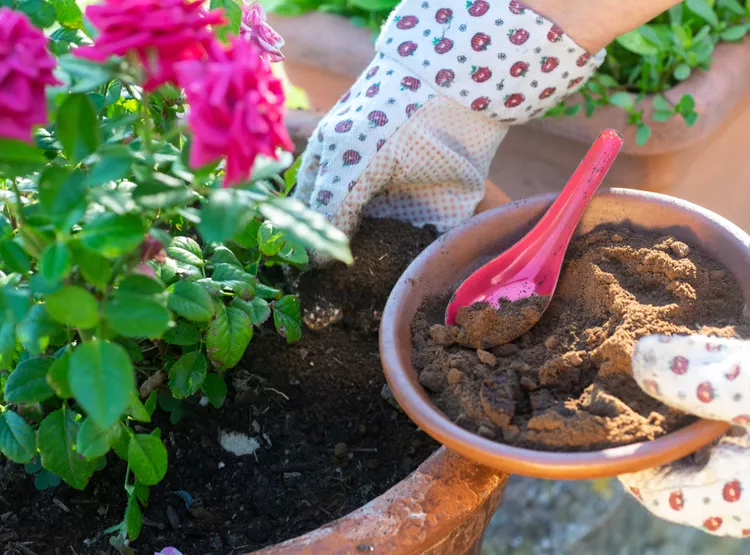
So are coffee grounds good for plants? The short answer is not really—at least not when you put them directly on your plants, says Chelsea McKinley, plant health care specialist at the U.S. Botanic Garden in Washington, DC.

That’s not to say used coffee grounds have no value to a gardener. They do, just not as fertilizer or a soil amendment. “The best way to use coffee grounds in gardening is to compost them,” McKinley says.

“You don’t get the full potential out of coffee grounds by mixing them into the soil,” she says. “You’ll get the full potential out of them if you properly compost them and then use that compost to fertilize your plants because then the nutrients are more readily available and in proportions more appropriate for plant growth.”

Coffee grounds are considered a "green" material when used in compost, based on their carbon to nitrogen ratio. Mix the grounds with two to three times as much "brown" materials in your compost bin to achieve the right balance for an efficient decomposition process. In a few months, all your grounds (you can throw in paper coffee filters too), along with dried leaves, grass clippings, and kitchen scraps, will turn into nutrient-rich compost that will benefit your plants.

Do Coffee Grounds Acidify Soil?

Another claim floating around the internet is that coffee grounds are a good soil amendment for acid-loving plants because they lower the soil pH, which is desirable for plants like azaleas, blueberries, and hydrangeas.

That’s not true, McKinley says. “Coffee grounds have a pH between 5.5 and 6.5,” she says. “Most plants like a soil pH between 5.8 and 6.8, so coffee grounds won’t lower the pH significantly.” It works about as well as mulching with pine bark.

If you want to lower your soil pH, use a fertilizer designed to lower soil pH, McKinley says. “That’s a faster way to acidify soil.”

Are Coffee Grounds Good for Houseplants?

While used coffee grounds contain a little nitrogen, an element that plants need to grow, the nitrogen isn’t in a form that’s easy for plants to use. Plus, it's easy to overdo it.

“If you add too many coffee grounds to your potted plant, it’s like overfertilizing them, and you burn the roots of the plant,” McKinley says. “Burned roots can lead to dead plants.” 

Potted plants are especially sensitive to dramatic changes in nutrient levels because they’re growing in an artificial environment with limited space, McKinley says. “I wouldn’t put coffee grounds on potted plants.”

Do Coffee Grounds Improve Soil?

It’s true that coffee grounds can improve soil structure when put directly into garden soil, McKinley says. Soil structure affects how much water and air move through the soil. Soil with good structure is well-drained and holds nutrients vital to plant health.

“If you have heavy clay soil, adding any organic amendment, even coffee grounds, can help,” she says. “Microbes in the soil will break down the coffee grounds eventually, but you’re not going to get the full potential from your coffee grounds unless you compost them.”

Frequently Asked Questions

  • Do some plants not like coffee grounds?

    Tomato plants and rhododendrons tend to respond poorly to direct exposure to coffee grounds, but using compost that contains coffee grounds causes no problems.

  • Can I use coffee grounds in the soil when I plant seeds?

    Coffee grounds inhibit the germination rates of some seeds while enhancing the germination rates of others. To stay safe, use compost that contains coffee grounds instead of direct coffee grounds.

Related Posts

35.5K
355
159

The 3 Best Types of Berries to Grow in Containers, and How to Grow Them

40.9K
3.7K
1.6K

Top Butterfly Container Garden Ideas

21.6K
1.3K
557

36 Container Garden Ideas to Inspire Your Own Pretty Plantings

31.1K
2.2K
783

Can You Reuse Potting Soil? Yes, as Long as You Do This First

30.5K
2.1K
491

This Easy Children's Vegetable Garden Plan Appeals to All Ages

40.6K
2.4K
487

This Midwestern Peony Garden Is Filled with Thousands of Blossoms

4.7K
328
36

Planting Bare-Root Roses

31.6K
2.8K
1.4K

24 Deer Resistant Perennials with Beautiful Blooms

6.8K
135
47

8 Must-Know Tips for Properly Planting Cannas from Rhizomes

28K
841
395

How to Care for Easter Lilies to Enjoy Their Big, Fragrant Flowers

33.9K
339
108

What’s the Difference Between Monstera and Split-Leaf Philodendron?

16.4K
1.3K
603

How to Grow and Care for Living Stones

4K
239
52

11 Front Yard Landscaping Ideas to Boost Your Home’s Curb Appeal

17.8K
1.8K
854

18 Backyard Landscaping Ideas to Upgrade Your Hangout Spots

33.6K
1.7K
402

How to Stop Slugs from Chewing Holes in Hosta Leaves

25.9K
1.8K
253

15 Simple Vegetable Garden Ideas and Tips for Boosting Your Harvest

3.9K
391
183

How to Successfully Grow Cucumbers in Pots from Seed to Harvest

18.1K
544
179

How to Prune Basil to Boost Your Harvest

49.6K
495
89

Use a Color Wheel to Plan Your Garden

31.8K
2.9K
1.3K

After No Mow May, Should You Do a Slow Mow Summer?

The 3 Best Types of Berries to Grow in Containers, and How to Grow Them
Top Butterfly Container Garden Ideas
36 Container Garden Ideas to Inspire Your Own Pretty Plantings
Can You Reuse Potting Soil? Yes, as Long as You Do This First
This Easy Children's Vegetable Garden Plan Appeals to All Ages
This Midwestern Peony Garden Is Filled with Thousands of Blossoms
Planting Bare-Root Roses
24 Deer Resistant Perennials with Beautiful Blooms
8 Must-Know Tips for Properly Planting Cannas from Rhizomes
How to Care for Easter Lilies to Enjoy Their Big, Fragrant Flowers
What’s the Difference Between Monstera and Split-Leaf Philodendron?
How to Grow and Care for Living Stones
11 Front Yard Landscaping Ideas to Boost Your Home’s Curb Appeal
18 Backyard Landscaping Ideas to Upgrade Your Hangout Spots
How to Stop Slugs from Chewing Holes in Hosta Leaves
15 Simple Vegetable Garden Ideas and Tips for Boosting Your Harvest
How to Successfully Grow Cucumbers in Pots from Seed to Harvest
How to Prune Basil to Boost Your Harvest
Use a Color Wheel to Plan Your Garden
After No Mow May, Should You Do a Slow Mow Summer?
forumsdo.top ©2026
  • Terms of Use
  • About Us
  • Privacy Policy